
Pet Profiles & Trust
What Should You Include in a Pet Profile?
A photo and a name rarely tell the whole story. Here is what makes a pet profile genuinely useful to other pet parents.
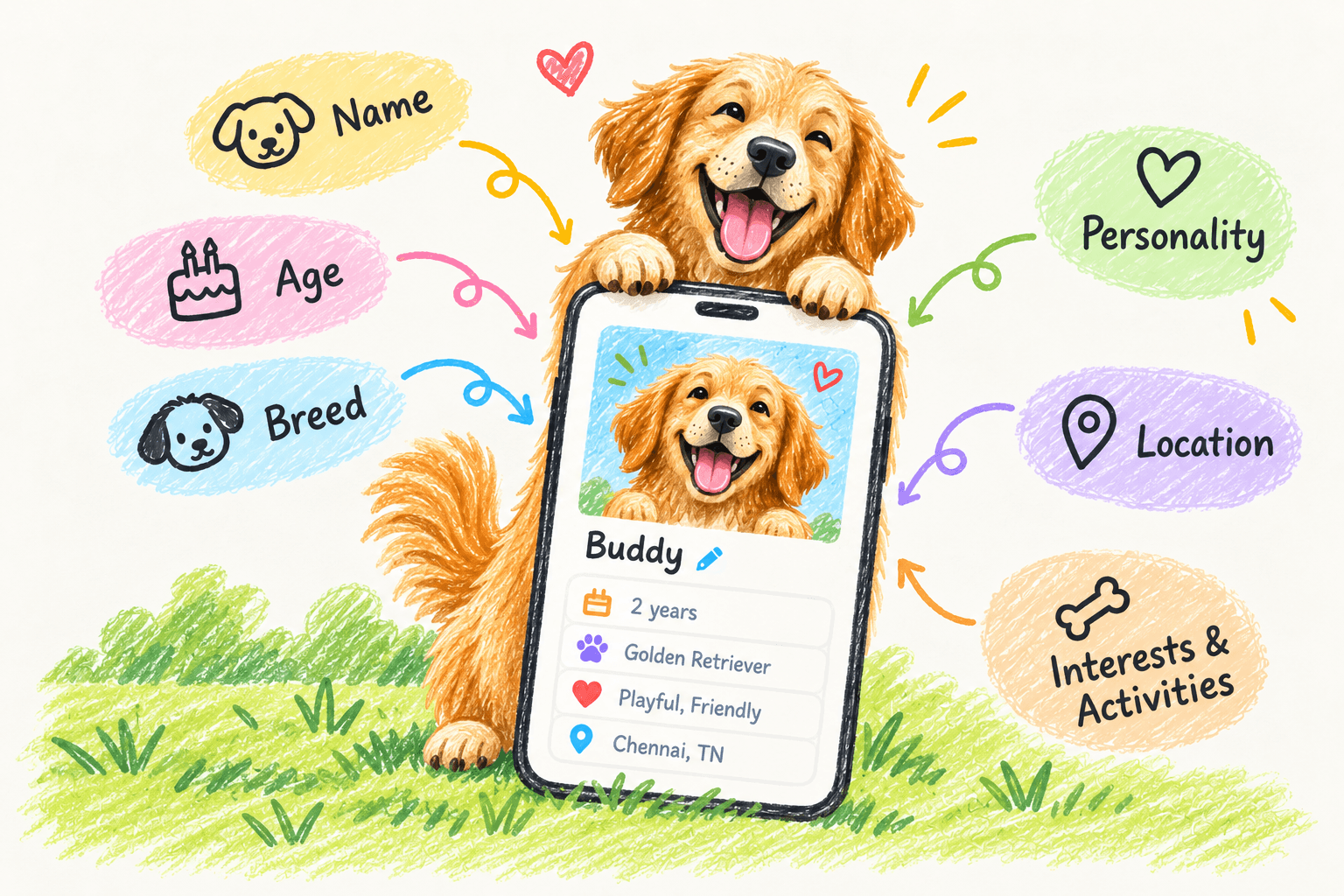
When people meet a new pet online, a photo and name can be a good starting point. But they rarely tell the whole story.
Is the pet playful or calm? Do they enjoy meeting other animals? Are they comfortable around children? What activities do they enjoy?
A useful pet profile can help answer some of these questions before pet parents decide to connect.
Why Pet Profiles Matter
A pet profile is more than an online identity. It can give other pet parents useful context about the pet behind the profile.
Depending on the platform, a profile could include information such as:
- Pet name
- Age
- Breed or type
- Personality
- Interests
- Favourite activities
- Location
- Relevant care information
- Social preferences
The more useful the information, the easier it can be for pet parents to decide whether they want to start a conversation.
Building Trust Between Pet Parents
Connecting with a stranger online requires some level of trust.
This is especially true when the purpose of the connection is eventually to arrange an offline meetup.
A pet networking app can support this process by giving pet parents more context before they connect. Verification, profile information, and visible trust indicators can help users understand more about the person and pet behind a profile.
Trust does not mean assuming someone is safe simply because they have a profile. Pet parents should still communicate, ask questions, and make sensible decisions before meeting.
Why Verification Can Be Useful
Verification can provide an additional layer of information.
For example, a platform may use verification to confirm certain details about a pet or pet parent. If vaccination information is included, it can also help users understand whether relevant records have been provided.
This is different from treating a digital badge as a guarantee. Verification should provide useful information, not replace responsible judgement.
A future-facing pet platform can therefore combine pet profiles, verification, and trust indicators to make online discovery more transparent.
Profiles Can Help With Better Matches
Good profiles are also useful for matching.
If one pet is highly energetic while another prefers quiet walks, their profiles may reveal that difference before the owners arrange a meetup.
This can save time and make conversations more relevant.
MeetMyPets is being built to help pet parents create pet profiles, discover compatible pets, and connect before deciding whether to meet.
Start With Information, Then Build the Connection
A profile cannot tell you everything about a pet. Behaviour can change depending on the environment and situation.
But a well-created profile gives pet parents a better starting point.
As pet communities become more connected, useful profiles and thoughtful conversations can help turn unfamiliar faces into trusted connections.
If you'd like to follow the development of MeetMyPets and be part of the early community, you can join the waitlist.
Q&A
- What information should a pet profile include?
- Useful information includes the pet's age, personality, interests, activities, location, and relevant care or social details.
- Does a verified profile guarantee a safe meetup?
- No. Verification can provide additional information, but pet parents should still communicate and use their own judgment before meeting.
- Why are pet profiles useful for matching?
- Profiles give pet parents information that can help them identify pets with potentially compatible personalities, interests, and activity levels.
Keep reading
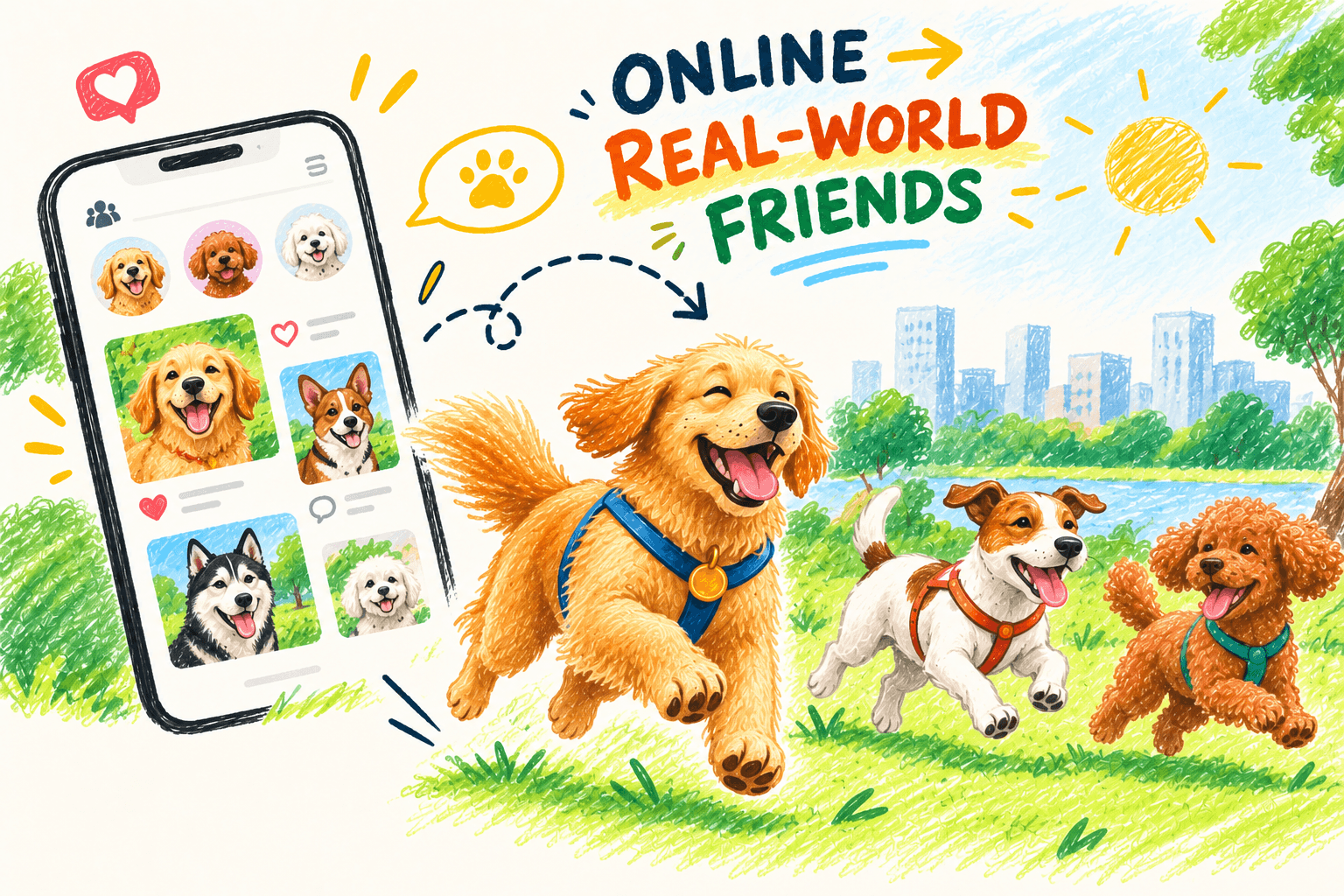
Local Pet Life & Activities
From Online Pet Communities to Real-World Adventures
Pet ownership happens locally. Here is how online discovery can turn into walks, meetups and a real neighbourhood pet community.

Pet Matching & Playdates
How to Find the Right Playmate for Your Pet
Finding another pet is easy. Finding the right one is harder. Age, energy, size and personality all shape whether a meetup works.

Pet Social Life
Why Socialisation Matters for Your Pet's Everyday Life
Social experiences shape everyday pet life as much as food and exercise. Here is what pet socialisation really means, and how to approach it.